Tracked My Habits for 90 Days: How One App Quietly Transformed My Mornings, Mood, and Energy
Ever feel like you're busy all day but not really moving forward? I did—until I started using a simple health app no one talks about. It didn’t shout notifications or judge my choices. Instead, it quietly helped me sleep better, eat mindfully, and actually enjoy my mornings. This isn’t about perfection—it’s about progress. And if you’ve ever wanted to feel just a little more in control, this might be the small change that makes the biggest difference. For years, I told myself I just needed more time, more energy, or more willpower. But what I really needed was awareness. And that’s exactly what this little app gave me—without fanfare, without pressure, just gentle clarity.
The Morning Struggle That Started It All
My days used to begin the same way: alarm goes off, I hit snooze—once, twice, maybe three times. By the time I finally dragged myself out of bed, I was already behind. Coffee in one hand, toast in the mouth, rushing to get the kids ready while trying not to spill anything on my shirt. The house felt chaotic before 7 a.m., and I was already drained. I’d sit down at my desk or in my car, wondering why I felt so exhausted when I hadn’t really done anything yet. By 10 a.m., my energy would dip so low I’d reach for a second cup of coffee and a bag of chips—again, not by choice, just out of habit. I wasn’t lazy, and I wasn’t unmotivated. I was just stuck in a cycle I didn’t even realize I was in.
It wasn’t until I had a quiet moment—yes, one of those rare weekends when the house was peaceful and the laundry was done—that I asked myself, When was the last time I actually felt good in the morning? Not just awake, but truly energized, calm, and ready for the day? I couldn’t remember. That’s when it hit me: I wasn’t managing my habits—I was surviving them. I wasn’t against technology. I used my phone for everything—recipes, reminders, even bedtime stories for my kids. But I’d never thought to use it to help me understand my own patterns. So I downloaded a simple habit-tracking app, almost on a whim. No big plan, no dramatic overhaul. Just curiosity. And honestly, I didn’t expect much. But within a week, something shifted—not because the app changed me, but because it showed me what was already there.
Choosing the Right App—Not the Flashiest One
When I first looked for a habit tracker, I was overwhelmed. There were apps with badges, leaderboards, animated characters cheering me on. Some looked like video games. Others sent five reminders a day, popping up with messages like “You’re falling behind!” or “Don’t break your streak!” That wasn’t what I needed. I didn’t want to feel guilty or competitive. I wanted clarity. I wanted something that felt like a quiet companion, not a drill sergeant.
So I tried three different apps over two weeks. The first one was too flashy—too many colors, too many alerts. The second asked for so much data it felt like homework. But the third? It was simple. Just a clean screen with a few icons: a moon for sleep, a water droplet, a smiley face for mood, and a little footstep for movement. I could tap each one in less than 30 seconds. No graphs at first, no complicated reports. Just a check-in, twice a day. That was it. And somehow, that simplicity made all the difference.
What I realized is that the best tools don’t try to fix you. They help you see yourself. I didn’t need motivation—I needed honesty. And this app gave me that without judgment. It didn’t care if I only drank two glasses of water or slept six hours. It just recorded it. And over time, that record became more powerful than any pep talk. I learned that consistency beats complexity every time. You don’t need the most advanced app. You need the one you’ll actually use—day after day, even when life gets messy. And for me, that was the quiet, unassuming one that asked nothing but my truth.
What I Tracked (And Why It Mattered More Than I Thought)
I kept it simple at first—just four things. First, what time I woke up. Not when the alarm went off, but when I actually got out of bed. Second, how I felt when I woke up—on a scale from “tired” to “great.” Third, how much water I drank throughout the day. And fourth, whether I moved my body for at least 15 minutes. That’s it. No food logs, no step counts, no heart rate monitoring. Just those four markers. I figured if I could stick with those, I might learn something.
And I did. After two weeks, I started to see patterns. Like how, on the days I woke up after 7 a.m., I almost always felt groggy—even if I’d slept eight hours. Or how, when I skipped water in the morning, I’d hit that 3 p.m. slump hard. But the biggest surprise? On days I took even a short walk before work—just around the block—I was in a better mood all day. Not just “okay,” but actually present, patient, and calm. I remember one morning I stepped outside, walked for ten minutes while listening to birds, and came back feeling like a different person. My kids noticed. “You’re not yelling today,” my daughter said. That hit me. I hadn’t even realized how often I’d been short-tempered before.
These weren’t revolutionary insights pulled from medical journals. They were personal truths—small, quiet revelations that only came from paying attention. The app didn’t tell me to drink more water or wake up earlier. It just showed me the results of my choices. And once I could see the connection between how I started my day and how I felt later, I started making different choices—not because I had to, but because I wanted to. That’s the power of data: not to control you, but to inform you. And when you’re informed, you’re empowered.
Building the Habit Loop: From Effort to Routine
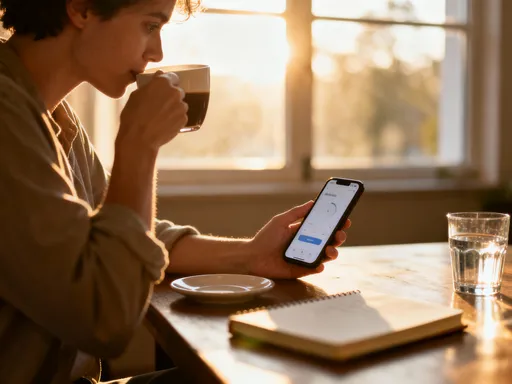
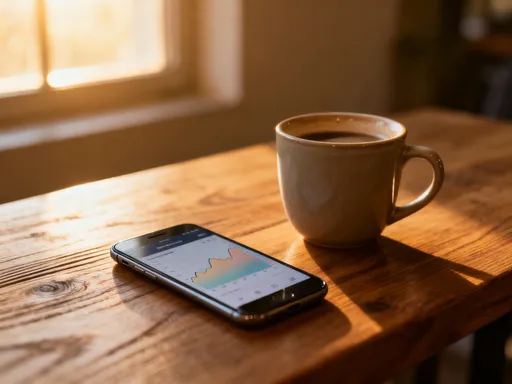
The first few days of tracking felt like a chore. I’d forget to log my water, or I’d be in the middle of helping my son with homework and realize I hadn’t checked in at all. I almost gave up twice. But then I remembered something I read once: habits stick better when you attach them to something you already do. So I tied my check-in to my morning coffee. Every day, after I poured my cup, I opened the app. Two minutes, no more. It became part of the ritual—steam rising from the mug, quiet house, soft light from the window, and me tapping a few icons before the day began.
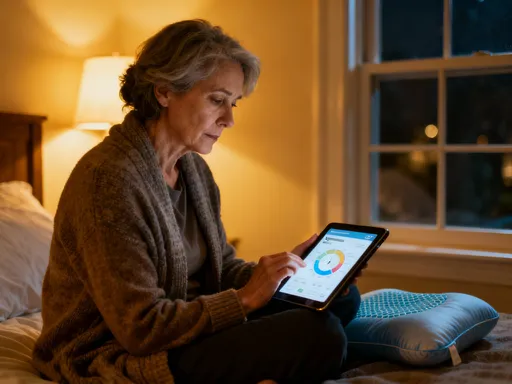
Later, I added a second check-in at night—after I brushed my teeth, I’d quickly log how I felt and how much water I’d had. No pressure, no perfection. If I missed a day, I just started again the next day. No guilt, no drama. And slowly, something changed. Logging stopped feeling like an extra task and started feeling like a moment of pause—a tiny pause in a busy life where I could just notice how I was doing. It was like a mini check-in with myself, the kind of conversation I used to have with my best friend over coffee, but now I was having it with me.
Within a month, those two minutes a day became automatic. I didn’t have to remember. I didn’t need reminders. It just happened. And that’s when I realized: the app wasn’t just tracking my habits—it was helping me build new ones. The real win wasn’t the data. It was how these small, intentional moments became part of who I was. I wasn’t forcing change. I was inviting it in, gently, consistently, and without resistance.
Seeing the Ripple Effect Beyond Myself
One evening, my partner looked at me and said, “You’ve been… lighter lately.” I didn’t know what he meant at first. Lighter? I wasn’t losing weight. Then he explained: I wasn’t as tense after work. I laughed more. I wasn’t rushing through dinner or checking my phone constantly. I was just… there. Present. That meant more than any number on a screen.
And it wasn’t just him. My kids started commenting too. “You’re not stressed today,” my youngest said one morning. “You’re smiling.” I realized that my energy—my mood, my patience—wasn’t just mine. It flowed into the whole house. When I was frazzled, the whole family felt it. But when I was calm, things just ran smoother. Mornings were less chaotic. Evenings were more peaceful. I wasn’t doing anything differently in terms of chores or routines. But my presence had changed.
I started noticing how small shifts in my own well-being had big effects on our home life. When I felt rested, I listened better. When I was hydrated, I didn’t get headaches that made me short-tempered. When I moved my body, I had more patience for the little things—like spilled milk or forgotten homework. This wasn’t about productivity. I wasn’t trying to do more. I was trying to be more—more patient, more kind, more grounded. And that made all the difference. The app didn’t fix my family dynamics. But by helping me show up as a calmer, more centered version of myself, it quietly improved everything around me.
How This Changed My View of Self-Care
For years, I thought self-care meant big gestures—long baths, weekend getaways, hours of journaling. Things that sounded lovely but felt impossible with my schedule. I’d tell myself, “When I have time, I’ll take care of me.” But that time never came. So I stopped trying. I thought I just had to accept being tired, overwhelmed, and stretched too thin.
But this habit-tracking journey taught me something new: self-care doesn’t have to be grand. It can be small. It can be two minutes with your coffee. It can be remembering to drink water. It can be stepping outside for a breath of fresh air. Real self-care is about consistency, not extravagance. It’s about showing up for yourself, even in tiny ways, every single day.
Now, when I open the app each morning, it feels like a promise—to myself. A quiet “I’m here. I matter. I’m paying attention.” It’s not about fixing anything. It’s about noticing. And in a world that pulls us in ten directions at once, that kind of attention is revolutionary. I’m not chasing perfection. I’m building awareness. And that awareness has become my most powerful form of self-care. It’s not about adding more to my plate. It’s about honoring what’s already there—my body, my energy, my emotions—and treating them with kindness.
Why This Isn’t Just Another Tech Fix—It’s a Life Lens
If you’d told me a year ago that a simple app would change how I experience my days, I’d have laughed. I didn’t think technology could help me feel more human. But this wasn’t about optimization. It wasn’t about becoming a productivity machine or hitting some impossible standard. It was about understanding myself better. The app didn’t give me answers. It helped me ask better questions. Like: Why do I feel so tired by noon? Or: What actually makes me feel good? Or: How can I start my day in a way that sets the tone for the rest of it?
Those questions led to small changes. And those small changes led to big shifts. I sleep better now. I drink more water. I move more. I’m more patient. I smile more. And I feel more in control—not because I’ve done anything drastic, but because I’ve learned to pay attention. That’s the real gift of this tool: it turned my daily life into a mirror. It showed me what was working and what wasn’t, not with judgment, but with gentle honesty.
And here’s what I’ve learned: you don’t need a complicated system. You don’t need to overhaul your life. You just need one small, consistent way to check in with yourself. That’s what this app became for me—a quiet companion, a daily pause, a moment of truth. It didn’t fix me, because I wasn’t broken. It helped me see myself more clearly. And in that clarity, I found more calm, more energy, and more joy in the ordinary moments of life.
If you’ve ever felt like you’re moving through your days on autopilot, like you’re busy but not really living—this might be what you’ve been missing. Not a miracle. Not a shortcut. Just a simple, gentle way to reconnect with yourself. Because when you know how you’re doing, you can choose how you want to feel. And that, more than anything, is the power of paying attention. So maybe try it. Pick one small thing. Track it for 30 days. See what you notice. You might be surprised by how much a little awareness can change.