Overwhelmed by menopause chaos? How I finally found calm with the right tech tools
You’re not alone if you’ve felt lost in the fog of menopause—hot flashes, sleepless nights, mood swings. I was too, until I discovered simple tech tools that actually helped. No hype, no jargon—just real support that fits into daily life. This isn’t about fixing yourself; it’s about working *with* your body, not against it. Let me share what finally made a difference. It wasn’t a miracle cure or a dramatic lifestyle overhaul. It was something quieter, more consistent: the right kind of help, at the right time, showing up in ways I never expected. And it started with one small decision—to stop pretending I was fine when I wasn’t.
The Moment I Knew I Needed Help
It was a Tuesday morning, and I was standing in front of the bathroom mirror, trying to remember how to tie my hair back. My hands were shaking. I could feel sweat dripping down my back even though the house was cool. I’d woken up drenched—again—and had changed my pajamas twice before 6 a.m. My daughter asked me what was wrong, and I snapped, “Nothing!” before instantly regretting it. That wasn’t me. Or at least, it wasn’t the me I wanted to be.
I’ve always prided myself on being the calm one—the person who holds things together. But for months, I’d been losing words mid-sentence, forgetting appointments, and feeling exhausted by 3 p.m. even after eight hours of sleep. I blamed stress. I blamed aging. I blamed everything except what it really was: menopause. And I wasn’t just tired. I felt like I was failing—at work, at parenting, at being a partner, at being myself.
The turning point came during a video call with my sister. She looked at me and said, “You look like you’re running on empty.” And I burst into tears. Not dramatic sobs, just quiet, helpless tears that had been building for months. That’s when I realized: I didn’t have to tough this out alone. I didn’t have to white-knuckle my way through every hot flash and sleepless night. There was help. And while therapy and talking helped, something else made a surprising difference—technology. Not flashy gadgets or complicated systems, but thoughtful, simple tools that understood what I was going through.
I didn’t expect tech to be part of my healing. I used to think of it as something cold, impersonal, maybe even overwhelming. But what I found was different. It wasn’t about replacing human connection or pretending a device could fix everything. It was about having quiet support—something that noticed when I didn’t, reminded me when I forgot, and held space for me when I felt like I was falling apart.
Why Going It Alone Makes Everything Harder
We’ve all been taught to be strong, especially as women. To push through, to smile, to keep the house running, the kids fed, the job done. So when menopause hit, my first instinct was to handle it quietly. No complaints. No drama. Just power through. But here’s what I learned the hard way: pretending you’re fine doesn’t make you fine. It just makes you lonely.
Going it alone didn’t just make me more tired—it strained my relationships. I’d cancel plans last minute because I was too drained. I’d snap at my partner over small things. I started avoiding social gatherings because I never knew when a hot flash might hit. And the guilt followed me like a shadow. Why couldn’t I just keep it together? Was I losing my mind?
Menopause isn’t a personal failure. It’s a biological shift, as natural as puberty or pregnancy. But without support, it can feel like a personal crisis. And that’s where technology stepped in—not to fix me, but to support me. I began to see that using tools wasn’t a sign of weakness. It was an act of wisdom. It was saying, “I’m doing my best, and I’m open to help.”
What surprised me most was how much easier self-care became when I had the right support. Tracking my symptoms wasn’t just about data—it helped me feel seen. A gentle reminder to drink water or take a breath wasn’t nagging—it was care. And knowing I wasn’t the only one struggling, thanks to online communities, reminded me I wasn’t broken. I was changing. And that’s okay.
So if you’re reading this and thinking, “I should be able to handle this on my own,” I get it. I felt that way too. But you don’t have to. Asking for help—whether from a friend, a doctor, or a simple app—doesn’t mean you’re failing. It means you’re human. And sometimes, the bravest thing we can do is admit we’re not okay and reach for support.
Tracking Symptoms Without the Frustration
At first, I tried tracking my symptoms the old-fashioned way—pen and paper. I bought a cute notebook and wrote down my hot flashes, sleep quality, and mood every night. But after two weeks, I gave up. I forgot half the time. The data was messy. And honestly, it just made me more anxious. I’d stare at the scribbles and think, “What does this even mean?”
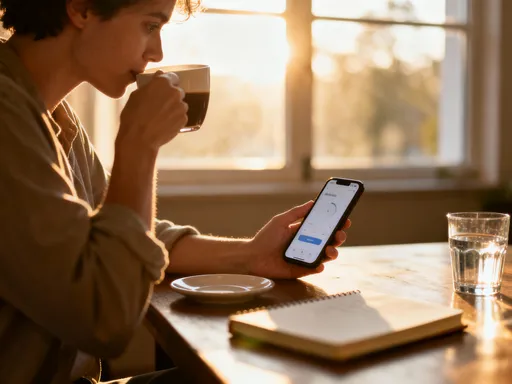
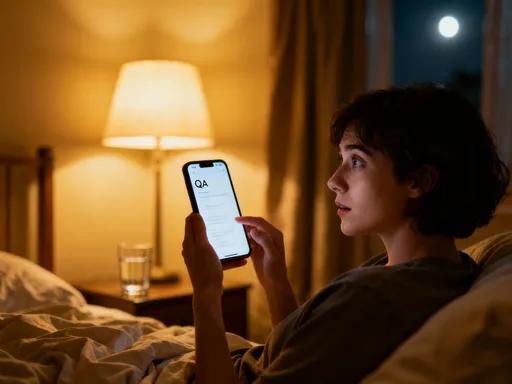
Then I discovered symptom-tracking apps designed for perimenopause and menopause. These weren’t just digital calendars. They were smart, intuitive tools that adapted to my life. I started with one simple app that let me log symptoms with just a few taps. No essays. No perfect data. Just a quick tap: hot flash, yes or no. Mood: okay, low, or rough. Sleep: poor, fair, good.
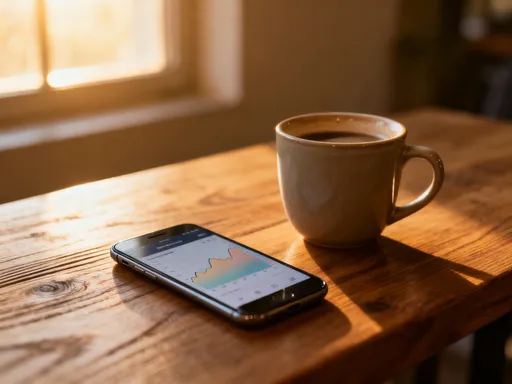
What changed everything was the pattern recognition. After a few weeks, the app showed me something surprising: my worst mood swings happened two days after poor sleep, not during the hot flashes themselves. And my night sweats were more likely after eating spicy food or drinking wine in the evening. These weren’t earth-shattering discoveries, but they were mine. And for the first time, I felt like I had some control.
The app also sent gentle reminders—“Don’t forget to log tonight!”—not in a pushy way, but like a quiet nudge from a friend. Some even offered insights: “You’ve had three tough nights in a row. Maybe try a calming routine tonight?” That kind of support made me feel less alone. It wasn’t judging me. It was helping me see my own patterns.
If you’re skeptical, I get it. I was too. But the key is finding an app that feels easy, not like another chore. Look for ones with simple interfaces, privacy protections, and real-time insights. And don’t feel pressured to log everything perfectly. Even partial data can reveal patterns. The goal isn’t perfection—it’s awareness. And that awareness? It’s power.
Sleep Tech That Actually Understands Night Sweats
I used to dread bedtime. Not because I wasn’t tired—oh, I was exhausted—but because I knew what was coming. I’d fall asleep fine, only to wake up drenched, shivering under the sheets, or burning up and kicking them off. I’d change my pajamas, swap the pillowcase, maybe even move to the couch. By 3 a.m., I’d be too awake to fall back asleep, and the next day would be a blur.
I tried everything: lighter blankets, cotton pajamas, fans, open windows. Some helped a little, but nothing solved the rollercoaster of temperature swings. Then I heard about smart bedding and cooling pillows. My first thought? “That sounds like a scam.” I’d seen too many gadgets promising miracles and delivering disappointment.
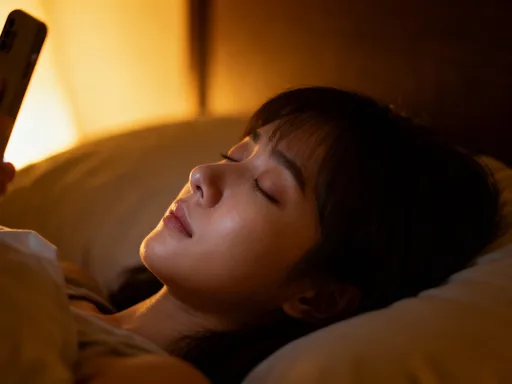
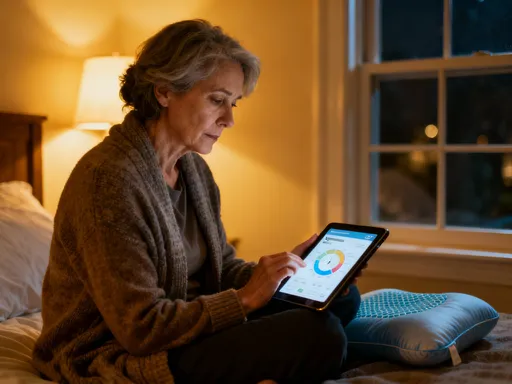
But I was desperate. So I started small—a cooling pillow with a gel layer that pulls heat away from the head. It wasn’t magic, but it helped. I didn’t wake up with a soaked pillow every night. Encouraged, I looked into smart bedding systems that adjust temperature automatically. Some connect to a bedside device; others link to an app. The one I chose lets me set a bedtime temperature, and it cools the bed as I fall asleep. If my body heats up, it adjusts—no action needed.
The first night I used it, I woke up once. Just once. And I wasn’t drenched. I wasn’t freezing. I just… woke up. And I realized how rare that was. Over time, my sleep improved. I wasn’t chasing rest—I was finding it. And the ripple effects showed up everywhere: more energy, better focus, fewer mood swings.
Here’s what I’ve learned: sleep tech isn’t about luxury. It’s about necessity. When your body is going through hormonal shifts, basic comfort becomes a form of care. And when your bedroom works *with* your body instead of against it, rest becomes possible. You don’t have to spend a fortune—start with one item, like a cooling pillow or breathable sheets. See what helps. Your future self will thank you.
Staying Connected When Mood Swings Hit
There were days I wanted to disappear. Not in a dramatic way—just pull the covers over my head and shut out the world. I didn’t want to talk. I didn’t want to smile. I didn’t want to pretend I was fine. But I also didn’t want to drift away from the people I love.
Mood swings during menopause aren’t just about feeling sad or irritable. They’re unpredictable. One minute I’d feel okay, the next I’d be overwhelmed by tears or anger for no clear reason. And the guilt afterward was crushing. “Why did I say that?” “Why can’t I control this?”
What helped wasn’t just talking to my partner or friends—though that mattered—but finding safe spaces online where I didn’t have to explain myself. I joined a private wellness community for women going through perimenopause. No judgment. No unsolicited advice. Just real stories, shared struggles, and moments of laughter.
There was one night I logged in after a rough evening with my family. I didn’t want to vent to them, but I needed to say something. So I typed, “Tonight felt like too much.” Within minutes, three women replied with just one word: “me too.” That was it. No long responses. No solutions. Just knowing I wasn’t alone made me cry—but this time, in relief.
I also started using a mood-check-in app. It sends me a simple notification once a day: “How are you feeling?” I tap an emoji—happy, okay, low, overwhelmed—and sometimes add a sentence. It doesn’t fix my mood, but it creates a record. And when I look back, I see progress. “Three weeks ago, I was low every day. Now, most days are okay.” That’s hope.
These tools didn’t replace real conversations, but they made them easier. When I felt stable, I could explain to my family, “Some days are harder because of what my body’s going through.” And they understood better. Connection didn’t have to mean constant interaction. Sometimes, it just meant knowing someone else gets it.
Avoiding the Most Common Tech Mistakes
I won’t lie—I wasted money. I bought a smart ring that promised to track my hormones. It couldn’t. I downloaded an app that claimed to “balance” my mood with sound frequencies. It just played calming music. And I fell for the hype around a “menopause miracle” wearable that disappeared from the market six months later.
The biggest mistake I made? Expecting technology to fix me overnight. I wanted a quick solution, a reset button. But menopause isn’t a problem to be solved—it’s a transition to be lived through. And real support comes from consistency, not magic.
Another mistake was ignoring privacy. Some apps asked for way too much personal data. I realized I didn’t want my symptom history shared with third parties or used for ads. Now, I check privacy policies before I sign up. I look for apps that store data securely and let me control what’s shared.
I also learned to avoid tools that push unrealistic goals. One app told me I should “optimize” my menopause experience and “thrive.” That made me feel worse. I wasn’t thriving. I was surviving. And that was okay. The tools that helped most were the ones that met me where I was—no pressure, no judgment.
So if you’re exploring tech options, start slow. Don’t buy everything at once. Try one thing. See how it feels. Does it add ease or stress? Does it respect your pace? Does it make you feel more in control, or more overwhelmed? Trust your gut. And remember: the best tech doesn’t change you. It supports you.
Building a Supportive Tech Routine That Lasts
I didn’t wake up one day and build a perfect system. It took months. I started with just one app—symptom tracking. After a few weeks, I added the cooling pillow. Then the mood check-in. Each step felt small, but over time, they added up.
What surprised me was how these tools became part of my rhythm. I didn’t have to force them. Logging symptoms became as routine as brushing my teeth. Adjusting the bed temperature felt as natural as turning off the lights. Checking in with my mood became a moment of pause in a busy day.
The goal wasn’t to use every gadget or app on the market. It was to find what worked for *me*. Some women love wearable trackers. Others prefer journaling apps. I found my balance. And that balance shifted over time. When my sleep improved, I relied less on the smart bedding. When my mood stabilized, I checked the app less often. That’s okay. Tools aren’t meant to be permanent—they’re meant to support you through seasons.
Now, my tech doesn’t control me. It holds space for me. It notices what I miss. It reminds me to breathe. It helps me feel seen. And in those quiet moments, I’ve rediscovered kindness—for my body, for my journey, for myself.
If you’re just starting, my advice is simple: begin small. Pick one thing that addresses your biggest struggle—sleep, mood, symptoms. Try it for two weeks. Be honest with how it feels. And be patient. Healing isn’t linear. Progress isn’t always visible. But it’s happening.
More Than Just Tools—A New Way of Caring
These tools didn’t change my biology. I still go through hot flashes. I still have days when I feel overwhelmed. But they changed my experience. I’m not drowning anymore. I’m navigating. I have support. I have insight. I have moments of calm.
I sleep better. I think more clearly. I show up more fully—for my family, my work, my life. I’m kinder to myself. I’ve learned to pause, to listen, to respond instead of react. And that’s made all the difference.
Menopause isn’t something to survive. It’s a season—a shift, a transition, a new chapter. And with the right support, it can be a time of quiet reinvention. You don’t have to do it alone. You don’t have to pretend. You don’t have to tough it out.
Help is here. Sometimes, it comes in the form of a conversation. Sometimes, it’s a warm cup of tea and a good cry. And sometimes, it’s a simple app, a cooling pillow, or a quiet reminder that says, “You’re not alone.”
You’re not broken. You’re becoming. And that’s something worth supporting.