Mapped Every Family Route for 30 Days: How One App Brought Us Real Peace of Mind
You know that tiny knot in your stomach when your kid heads to school or your parent takes a late-night walk? I felt it too—until we started mapping our family’s daily routes with a simple app. No alarms, no drama—just quiet reassurance. Over 30 days, this small tech habit changed how we move, connect, and breathe easier. Here’s how it brought us comfort without complicating life.
The Little Anxiety We All Carry (But Rarely Talk About)
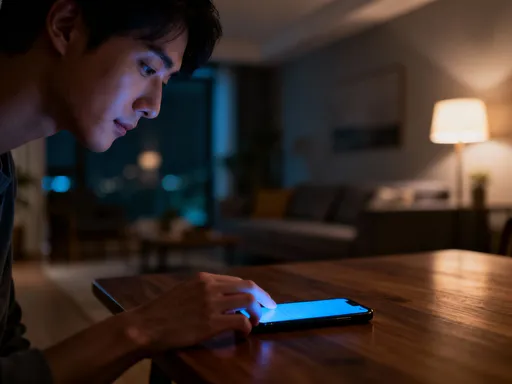
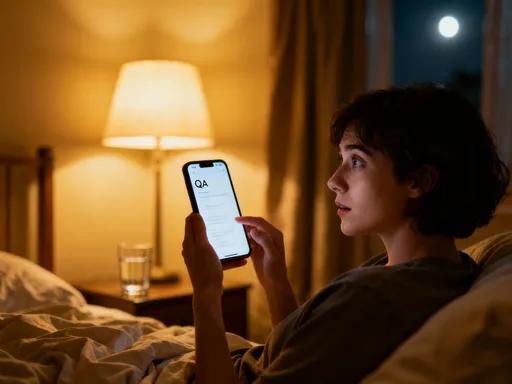
That little flutter of worry when your child walks out the front door with a backpack slung over one shoulder—it’s not panic, but it’s not nothing either. It’s the soft hum in the background of so many family lives. I remember standing at the kitchen sink, watching my daughter walk down the driveway, her headphones on, totally unaware. I’d smile, but inside, there was always a whisper: Did she remember her lunch? Is the bus on time? Is she really okay? And it wasn’t just her. When my mom went to the grocery store alone, especially after dark, I’d catch myself checking my phone every few minutes, hoping for a text that said she’d arrived. I wasn’t expecting bad news, but silence felt heavy. That low-level stress didn’t come from crisis—it came from care. And for years, I thought it was just part of being a daughter, a mom, a sister. We carry these quiet concerns like extra weight in our pockets, never talking about them because they don’t feel big enough to name. But here’s the truth: even small worries take up space. They shape how often we call, how we listen for keys in the door, how we fall asleep. We don’t need to be rescued from danger—we need relief from the constant wondering. What if, instead of chasing reassurance through texts and calls, we could just… know? Not control, not hover, but simply feel a little more grounded when the people we love are out in the world.
How a Simple Map Became Our Family’s Safety Net
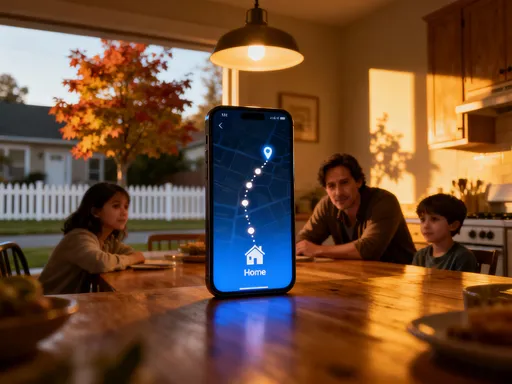
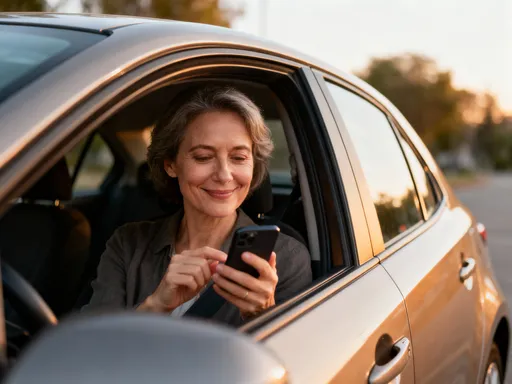
It started with something completely ordinary. One rainy Tuesday, I opened a map app to send my mom a pin of the café where I was meeting a friend. ‘Just so you know where I am,’ I wrote. She replied with a heart and said, ‘I like knowing you’re safe.’ That tiny message stuck with me. It wasn’t about surveillance—it was about care. And that’s when I realized: maybe location sharing doesn’t have to feel invasive. Maybe it can feel like a warm hand on your shoulder, saying, ‘I’m here, and I’ve got you.’ So I did something small—I suggested we try using a trusted family app that lets us see each other’s real-time location, but only when we choose to. No automatic tracking. No constant monitoring. Just a little dot on a map, moving gently along a route. We started with just three of us: me, my sister, and my mom. We shared only during commutes—school drop-offs, grocery runs, evening walks. At first, I worried it might feel awkward or overbearing. But the opposite happened. When my daughter’s school bus was delayed, I saw it instantly—no need to call the school or flood the parent group chat. When my mom took a detour to visit a friend after shopping, I didn’t wonder where she was. I just saw her dot pause, then move again. That small shift—from guessing to knowing—was like turning down the volume on a song that had been playing too loud for years. The app didn’t fix anything broken. It didn’t prevent accidents or erase risks. But it did something quieter and more powerful: it made the everyday feel a little safer. And in a world that often feels unpredictable, that kind of calm is priceless.
Setting It Up Without the Awkwardness
Let’s be honest—‘Hey, can I track your location?’ sounds like the start of a thriller movie, not a loving family conversation. So we didn’t say it like that. Instead, we brought it up over a Sunday dinner, the kind where everyone’s still in pajamas and someone’s spilling juice on the tablecloth. I said, ‘Would it help if we could just *see* each other getting home safely? Like, no pressure, just if it makes you feel better.’ We kept it light. We made it optional. And we started small—just school and work commutes, for now. The key was making it feel like a gift, not a demand. We used a well-known app that most of us already had, so no one had to download anything new or remember a password. We set up ‘share windows’—only active during specific trips, like between 7:30 and 8:15 a.m. for school drop-offs, or 5:00 and 6:00 p.m. for the drive home. Outside those times, the feature was off. Everyone had full control. My teenage niece, who I thought might roll her eyes at the idea, surprised me. She said, ‘I don’t mind if Mom sees I’m at the library after school. At least she won’t keep texting me.’ That’s when it hit me: this wasn’t about control. It was about reducing friction in care. When tech supports respect—if it’s opt-in, time-limited, and reversible—it stops feeling like an invasion. It starts feeling like a quiet promise: *I care, and I want you to feel safe.* And when that promise is mutual, it becomes something beautiful: a shared rhythm of trust.
Small Habits, Big Shifts in Daily Comfort
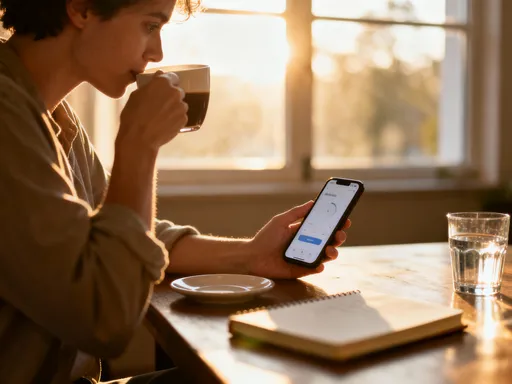
Within a week, I noticed the change. I wasn’t reaching for my phone every time the door closed. I wasn’t sending ‘Did you get there?’ texts that probably annoyed everyone. Instead, I’d glance at the app—just once—and see my son’s dot moving steadily toward school. That small act replaced a dozen anxious thoughts. When my nephew’s school bus got stuck in traffic, we saw the delay in real time. No guessing. No panic. We just knew. My sister even said, ‘I didn’t realize how much mental energy I was spending on worry until it stopped.’ That’s the thing—worry is exhausting, even when it’s quiet. It’s like carrying a backpack full of rocks you forgot you were wearing. And when we removed that weight, something unexpected happened: we became more present. At dinner, we talked about our days instead of recapping arrivals and departures. On weekends, we used the app during hikes to make sure no one wandered off the trail. It wasn’t about control—it was about connection. We weren’t watching each other; we were watching out for each other. The app didn’t talk to us. It didn’t send alerts or make noise. It just showed us what we already cared about. And that subtle shift—from worry to awareness—freed up space in our minds and hearts. Comfort, I’ve learned, isn’t about eliminating risk. It’s about feeling prepared. It’s about knowing that if something happens, we won’t be left in the dark.
Tech That Respects Privacy—And Why That Matters
I’ll admit, I had my doubts. I didn’t want this to feel like Big Brother in our pockets. I didn’t want anyone to feel watched or controlled. So we built in guardrails from the start. Location sharing only activates during agreed-upon trips. Everyone can turn it off at any time—no questions asked. The app doesn’t save history. It doesn’t collect data. It doesn’t send reports. It’s not a tool for monitoring—it’s a tool for reassurance, used only when it matters. We treated privacy like we treat trust: as something precious that needs protection. My mom, who was the most hesitant at first, said, ‘I like that I can turn it off when I’m just running to the post office. It feels like I’m in charge.’ And that’s the point. When technology respects human boundaries, it stops feeling cold and starts feeling kind. It becomes less about the screen and more about the person behind it. We didn’t give up privacy to gain safety—we found a way to have both. And because we honored that balance, everyone stayed in—willingly. That’s the difference between surveillance and support. One makes you feel watched. The other makes you feel seen. And when tech is designed with care, it doesn’t override our values—it reflects them. It says, *I trust you, and I want you to feel safe, without losing yourself.* That’s not just smart tech. That’s thoughtful tech.
When It Helped More Than We Expected
Then came the night it really mattered. It was raining hard, the kind where the wind shakes the windows and the streetlights look blurry through the glass. My dad was driving home from a friend’s house, and we’d set the app to share his route, as usual. Then, his dot stopped moving. Not at his house. Not at a gas station. Just… stopped. We waited. Five minutes. Ten. I tried calling—no answer. My stomach dropped. But instead of spiraling into worst-case scenarios, I looked at the map. He was near a rest area on the highway. I called a cousin who lived nearby, and she drove over. She found him pulled over, engine dead, tire flat. He was fine—just frustrated and wet. But here’s what hit me: we knew *where* he was. We didn’t waste time guessing or driving around. We sent help fast. He later said, ‘I was about to call, but I didn’t want to worry anyone.’ That’s the thing—we don’t always ask for help, even when we need it. But this time, the app spoke for him. It didn’t save a life, but it saved hours of panic. It turned uncertainty into action. And in that moment, I realized this wasn’t just about safety. It was about showing up—faster, smarter, quieter. We didn’t need to be heroes. We just needed to know. And that knowledge? That’s power. Not the loud kind. The gentle, steady kind that says, *You’re not alone out there.* That night, the app didn’t feel like tech. It felt like family.
Building a Calmer Family Culture—One Route at a Time
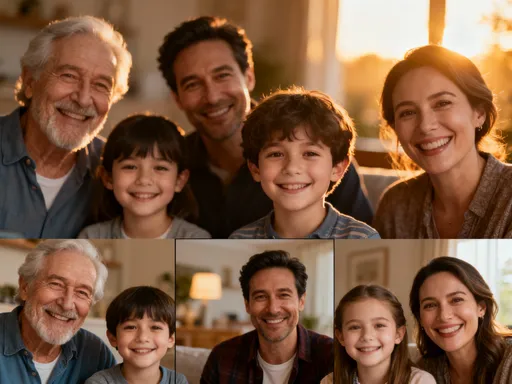
Thirty days in, something had shifted. The low hum of worry that used to run in the background had quieted. It wasn’t gone—life still has risks, and love still brings fear. But the constant checking, the endless texts, the silent wondering—they’d faded. We weren’t just safer—we were more present. Goodbyes at the door felt lighter. ‘I’m on my way’ meant more than words. We could see it. And that small daily ritual—sharing routes, checking in, turning the feature off when we got home—had become part of our family’s rhythm. It wasn’t about dependence. It was about support. It was about saying, *I care, and I want you to feel safe, without having to say it out loud every time.* We didn’t stop loving each other differently. We just found a quieter, steadier way to show it. Tech didn’t replace our bond—it deepened it. Now, when someone says, ‘I’m home,’ and I see their dot stop moving, I don’t feel relief because something bad was avoided. I feel peace because care is visible. Because love has a shape, even on a screen. And if a simple map can bring that much calm to our days, maybe the future of family isn’t about doing more—it’s about feeling more, together. One route, one dot, one quiet moment of knowing at a time.