I always worried about Mom forgetting to pay: This parking app finally gave me peace of mind
Managing daily errands for aging parents can feel overwhelming, especially when small tasks like parking payments turn into stress-filled moments. You’re not alone if you’ve ever gotten a call about an overdue ticket or a frozen meter. What if a simple tap could prevent those worries? This is the story of how a tiny tech change brought real relief to our family — not because it’s flashy, but because it just works.
The Moment Everything Changed: A Phone Call That Sparked a Solution
It was a Tuesday afternoon, and I was elbow-deep in work emails when my phone rang. The caller ID said “Mom,” and something about the timing made my stomach drop. She doesn’t usually call during the day unless it’s important. I picked up, and right away, I could hear it in her voice — that mix of embarrassment and panic that only comes when someone feels lost in a situation they used to handle with ease.
“Honey, I’m at the grocery store,” she said, her words a little rushed. “I put money in the meter, but it’s about to run out, and I don’t know how to add more time. I’ve been standing here for ten minutes trying to figure it out. There’s a ticket on another car already. I don’t want one.”
My heart sank. I live twenty minutes away, and there was no way I could get there in time. I talked her through calling the number on the meter, but the automated system confused her. She kept saying, “I don’t know what button to press,” and I could picture her standing there, clutching her purse, feeling watched and judged by everyone walking past. I finally told her to just go back in, finish shopping, and I’d deal with the ticket later. But that moment stayed with me — not just the frustration, but the helplessness on both ends of the line.
I realized then that this wasn’t just about parking. It was about how small, everyday tasks can quietly chip away at a parent’s independence. And as their child, it’s painful to watch. We want them to live full, active lives, but we also worry — constantly. What if she forgets to pay? What if she gets fined? What if she feels too anxious to go out at all?
That night, I started looking for solutions. Not something complicated or invasive, but something simple — something that could give her more control, not less. That’s when I found parking payment apps. At first, I wasn’t sure she’d be open to it. But I also knew that if it worked, it wouldn’t just save us money — it could give us both peace of mind. And maybe, just maybe, help her feel more confident about getting out there again.
Why Parking Feels Bigger Than It Should: The Hidden Stress of Daily Tasks
We don’t think about parking much — not really. For most of us, it’s a quick transaction: feed the meter, set a timer, move on. But for older adults, especially those who didn’t grow up with smartphones or touchscreens, that same moment can feel like a minefield. The buttons are too small. The instructions are too fast. The fear of making a mistake — of being seen as “slow” or “out of touch” — can be paralyzing.
I started paying attention to how often parking came up in our conversations. It wasn’t just that one time. There were little mentions all the time: “I didn’t go to the library today because I didn’t want to deal with the meter.” Or, “I asked your cousin to drop me at the doctor’s because parking downtown is too stressful.” Each time, it wasn’t about the destination — it was about the barrier in between.
And it’s not just parking. It’s gas pumps that ask for zip codes. It’s self-checkouts that beep when you take too long. It’s kiosks at the pharmacy that don’t explain what to do next. These aren’t just inconveniences — they’re moments that quietly send a message: “This world isn’t made for you anymore.” And over time, that message wears people down.
What surprised me most was how much emotional weight these small tasks carried. For my mom, being able to park without help wasn’t about convenience — it was about dignity. It was about proving to herself that she could still handle things on her own. And when she couldn’t, it didn’t just feel like a logistical problem. It felt like a loss.
That’s why solving something as “small” as parking matters. Because it’s not really about the car or the meter. It’s about whether someone feels capable. Whether they feel welcome in the world. And whether they believe they still have the freedom to move through it without asking for help every five minutes. When we remove one of those barriers, we’re not just making life easier — we’re giving back a piece of confidence.
How Parking Apps Work — Without the Tech Jargon
Let me be honest — when I first heard about parking apps, I assumed they were complicated. I pictured logins, passwords, confusing menus. I worried my mom would get stuck on the first screen and give up. But when I actually tried one, I was surprised by how simple it was. Think of it like this: instead of carrying coins or remembering to run back to the meter, the app becomes your digital parking assistant.
Here’s how it works in real life. You download the app — most cities use one of a few major ones, so it’s likely available where your parent lives. You create an account using an email and set up a payment method, just like you would for online shopping. Then, you add your license plate number. That’s it for setup.
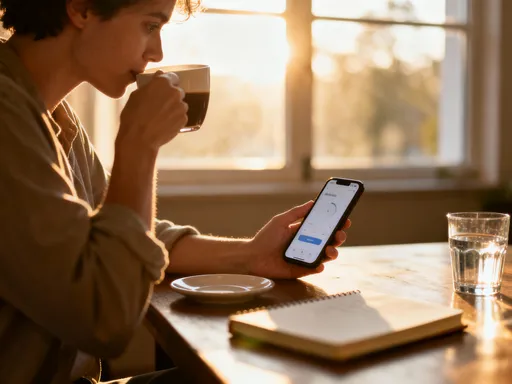
When your parent pulls into a parking spot, they open the app, select the zone (usually marked on the street or signs nearby), enter the time they want, and tap “Start.” The app tracks the time and sends a notification when it’s about to run out. If they need more time, they can extend it from their phone — no need to walk back to the meter.
Some apps even let you start parking remotely. That means if your mom is finishing up at the store and realizes she needs ten more minutes, she can tap her phone from inside and keep the meter going. No panic. No running. No embarrassment.
The best part? It’s designed to be forgiving. If she forgets to stop the session, most apps will stop automatically when the maximum allowed time is reached. And if she gets a notification that time is low, it’s not a harsh beep — it’s a gentle reminder, like a friend saying, “Hey, don’t forget!”
It’s not magic. It’s just thoughtful design. And for someone who’s nervous about technology, that makes all the difference. The interface is clean. The buttons are big. The steps are clear. And because it’s on a phone she already uses for calls and photos, it doesn’t feel like a whole new world — just a helpful tool in the one she already knows.
Real Help, Not Just Hype: What Changed in Our Lives
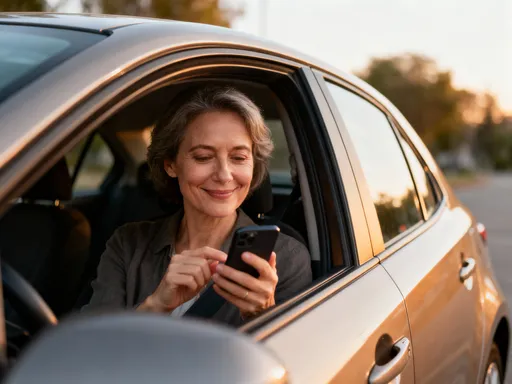
The first time my mom used the app on her own, I wasn’t there. She called me afterward, and I could hear the smile in her voice. “I parked at the mall,” she said. “I started the app, went shopping, and when I got back, I just tapped ‘end.’ No tickets. No stress. I even had coffee at the café!”
That call meant more to me than I can say. It wasn’t just that she’d used the app — it was that she’d done something she’d been avoiding for months. She’d gone out, enjoyed her day, and come home feeling proud. And I hadn’t had to lift a finger.
Since then, the panicked phone calls have stopped. No more “I don’t know how to pay” moments. No more guilt about not being able to rush over. Instead, I get little updates: “I used the app at the post office!” or “I parked near the park and walked the trail — so nice to just be out.”
What’s changed isn’t just the parking — it’s her willingness to go out at all. She’s visiting friends more. Running errands solo. Even going to events she used to say were “too much trouble.” And every time she uses the app, it’s a small win that adds up to something bigger: confidence.
I’ve noticed it in other ways, too. She’s more open to trying other simple tech tools — like using her phone to set reminders or look up store hours. The parking app didn’t just solve one problem — it showed her that technology, when it’s designed with care, can be a helper, not a hurdle.
And for me? The relief is real. I still worry about her, of course — that’s part of being a daughter. But now, when I think about her running errands, I don’t picture her stressed at a meter. I picture her tapping her phone, smiling, and walking away. That peace of mind is worth more than I can put into words.
Setting It Up Together: A Bonding Moment, Not a Tech Lesson
When I first suggested the app, I braced myself for resistance. I expected eye-rolling, maybe a “I’m too old for this” comment. But instead, she said, “If it means I don’t have to carry quarters, I’ll try it.”
We set it up together at her kitchen table. I brought my phone and hers, and we took it slow. No rushing. No tech jargon. I didn’t say “download” or “interface” — I said, “Let’s show your phone how to pay for parking.”
We started with the basics: finding the app store, searching for the name, and tapping “install.” Every time she did something right — like entering her email or selecting her license plate — I made sure to say, “See? You’ve got this.” And she did.
There were moments of confusion, of course. She mistyped her password twice. She wasn’t sure what a “zone number” was. But instead of getting frustrated, we laughed. I showed her how to use the backspace button, and she joked, “I guess my fingers are too big for this tiny keyboard!”
What started as a tech task turned into a sweet afternoon together. We took breaks to drink tea. We talked about her plans for the week. And by the end, she wasn’t just comfortable with the app — she was proud of herself.
The key wasn’t perfection — it was patience. It was letting her go at her pace. It was celebrating the small wins. And it was making it about more than the tool — it was about us spending time together, learning something new, side by side.
Now, when she uses the app, she doesn’t think, “I had to be taught this.” She thinks, “I learned this with my daughter.” And that makes all the difference.
Beyond Parking: What This Says About Caring in the Digital Age
This experience taught me something important about caregiving. We often think of it in big terms — doctor visits, medication schedules, home safety. And those things matter. But so do the tiny, daily burdens that wear people down. The moments of confusion. The small fears. The quiet losses of independence.
Caring isn’t just about solving big problems — it’s about removing the little ones, too. It’s about noticing what’s making life harder and asking, “Is there a better way?” Sometimes, the answer isn’t a nurse or a new pill. It’s an app. A reminder. A tool that makes one small thing easier.
And when we choose those tools with empathy — when we pick ones that are simple, kind, and designed for real life — we’re not replacing human care. We’re enhancing it. We’re freeing up energy so our loved ones can focus on what matters: living.
Technology doesn’t have to be flashy to be powerful. A parking app won’t cure illness or stop aging. But it can give someone the confidence to leave the house. It can turn a moment of anxiety into one of pride. And it can give a daughter peace of mind knowing her mom isn’t standing on a sidewalk, feeling lost.
In a world that often feels too fast, too complex, too unforgiving, these small tools are acts of love. They say, “I see you. I know this is hard. And I found something that might help.” That’s not cold tech — that’s warm, human care, supported by a little digital help.
A Small App, A Bigger Peace of Mind
The other day, my mom called me after a visit to the farmer’s market. “I used the app again,” she said. “And you know what? I didn’t even think about it. I just opened it, started the time, and went on with my day. It felt normal.”
That word — “normal” — hit me right in the heart. Because that’s what we all want, isn’t it? To move through the world without fear. To handle the small things without stress. To feel capable, even as life changes around us.
This app didn’t change her life in a dramatic way. But it changed it in a meaningful one. It gave her back a little freedom. A little confidence. A little joy in doing things on her own.
And for me, it gave something just as valuable: peace. Not the kind that comes from controlling everything, but the kind that comes from knowing she has the tools to handle it herself.
So if you’re someone who worries about a parent, a spouse, or a loved one struggling with the little things — I get it. And I want to tell you this: sometimes, the smallest tech solution can make the biggest difference. It’s not about replacing care. It’s about supporting it. It’s about saying, “You’ve got this,” even when you’re not there to say it in person.
Because in the end, the best technology isn’t the one that does the most — it’s the one that helps someone feel like themselves again.