From Anxious Nights to Peaceful Sleep: How Smart Smoke Alarms Finally Gave Me Back My Calm
Imagine lying in bed, the house quiet, but your mind racing—what if a fire starts and we don’t wake up in time? I used to check the smoke alarm every night, worried it would fail or shriek falsely. Then I discovered how modern smart smoke alarms transform not just safety, but the entire feeling of home at night. No more panic. No more guesswork. Just quiet confidence. This is about more than technology—it’s about reclaiming peace of mind for you and your family.
The Nighttime Fear No One Talks About
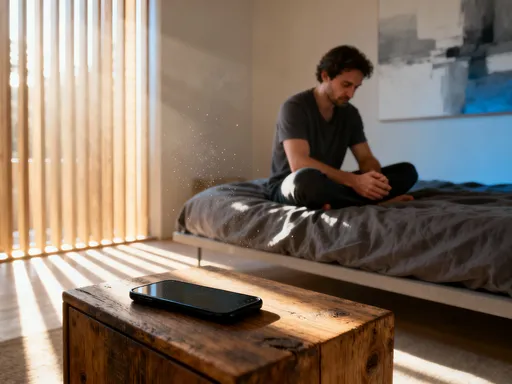
It’s 11 p.m. The kids are tucked in, the dishes are done, and you’re finally sinking into bed. But instead of drifting off, your thoughts circle back to the same quiet worry: Is the house really safe? I used to lie there, staring at the ceiling, wondering if that little round device on the ceiling would actually protect us. I’d get up and press the test button just to hear it beep—proof it was alive. And if the battery chirped in the middle of the night? That sound used to send my heart racing. Was it a warning? A glitch? Would it scream at 3 a.m. over burnt popcorn again? Or worse—would it stay silent when it really mattered?
This wasn’t just my story. So many of us carry this unspoken fear. We assume safety systems work—until they don’t. Or until they work too loudly, too often. I’ve talked to other moms who told me they’ve unplugged alarms because the false alerts were ruining everyone’s sleep. One friend admitted she kept a chair under her smoke detector so she could reach it easily when the battery chirped—only she never actually changed it on time. We want to feel safe at home, but sometimes, the very tools meant to protect us end up making us more anxious. That tension—between needing safety and dreading the alarm—was exhausting. And it made me realize: our homes should be sanctuaries, not sources of low-grade fear. Something had to change.
Why Old Alarms Make Nights Worse, Not Safer
Let’s be honest—traditional smoke alarms haven’t changed much in decades. They do their job when it counts, yes, but they also do a lot of things that make family life harder. They scream at the first whiff of toast. They chirp at midnight like a dying cricket when the battery runs low. And worst of all, they offer zero feedback until it’s too late. You don’t know if they’re working properly until they either fail or go off for no good reason.
I remember one night, my daughter was making grilled cheese before bed. Within minutes, the alarm blared—loud, piercing, urgent. The kids woke up screaming. I ran through the house, waving a towel, heart pounding, only to realize there wasn’t even smoke—just heat rising from the pan. That kind of false alarm doesn’t just disrupt sleep. It erodes trust. After a few incidents like that, you start to tune it out. And that’s dangerous. When an alarm goes off, you should react immediately—not pause and think, “Is this real or another false alarm?”
Then there’s the maintenance. How many of us actually test our alarms monthly like we’re supposed to? How many wait until we hear the chirp to change the battery? I’ll admit—I was guilty. It’s not that I didn’t care. It’s that climbing onto a wobbly kitchen chair, stretching to reach the ceiling, just to press a button felt like a chore. And if the wiring was tricky? Forget it. That’s why so many homes have outdated or partially functioning alarms. The system is built on vigilance, but real life is busy, messy, and full of distractions. We need something that works quietly in the background—not something that demands constant attention.
The Quiet Upgrade: What Smart Alarms Actually Do Differently
When I first heard about smart smoke alarms, I thought, “Great, another gadget that will complicate my life.” But the more I learned, the more I realized this wasn’t about adding tech for tech’s sake. It was about replacing fear with quiet confidence. These devices still detect smoke and carbon monoxide—just like the old ones—but they do it smarter, quieter, and with far more awareness.
Instead of relying on a single type of sensor, many smart alarms use a combination—photoelectric sensors for slow, smoldering fires and electrochemical sensors for carbon monoxide. Some even include heat detection. That means they’re less likely to go off from cooking steam or shower humidity. But the real game-changer? They talk to you—gently. Instead of a deafening siren, you get a calm voice alert: “There’s smoke in the kitchen.” And if you’re asleep, your phone buzzes with a notification. No screaming. No panic. Just a quiet heads-up that something needs attention.
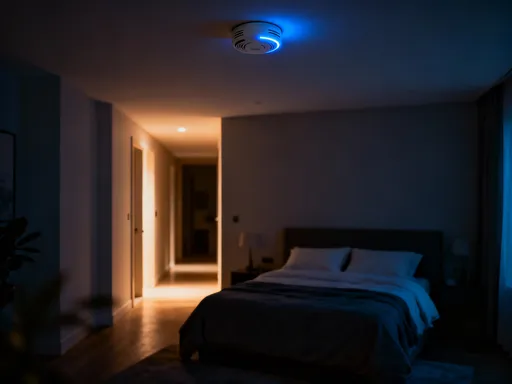
And here’s the part that truly changed everything for me: self-testing. These alarms run automatic checks every morning—usually around 2 or 3 a.m., when everyone’s asleep. If everything’s okay, you never know it happened. If there’s an issue, you get a message on your phone: “Low battery in upstairs hallway.” No chirping. No surprises. Just information, delivered calmly. I remember the first time I saw that notification. I didn’t jump. I didn’t rush to the ladder. I just smiled. For the first time, safety felt effortless. It wasn’t something I had to manage—it was something that managed itself.
Step-by-Step: Installing Your Smart Alarm Without Stress
I’ll be honest—I was nervous about installing one. The idea of turning off the power, dealing with wires, and mounting something on the ceiling felt intimidating. But after reading the instructions and watching a short video, I realized it was much simpler than I thought. And doing it over a quiet weekend evening, with a cup of tea and my oldest daughter helping, turned it into a little family project.
First, I picked a model that matched my home’s wiring—most modern homes use standard 120V electrical systems, and many smart alarms are designed to fit right in. I turned off the power at the breaker box—just to be safe—and used a voltage tester to confirm the wires weren’t live. Then, I unscrewed the old alarm. It came down easily. The new unit had clear color-coded wires: white to white, black to black, and a small yellow wire for interconnect, so all alarms in the house would communicate. I connected them using wire nuts, tucked them into the electrical box, and snapped the base into place. Finally, I attached the alarm unit and turned the power back on.
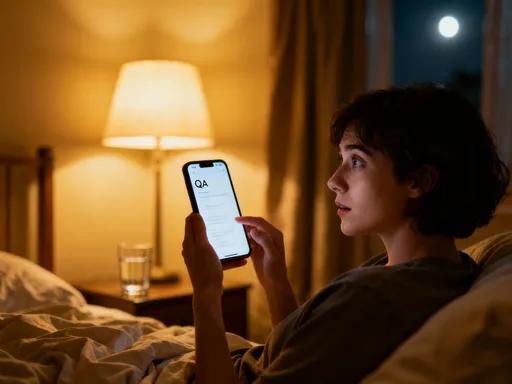
The magic happened when I downloaded the app. I scanned the QR code on the back of the alarm, followed the prompts, and within minutes, it was connected. The app showed me the battery level, signal strength, and even the last time it tested itself. I did the same for the second floor, and soon, both alarms were talking to each other—and to my phone. The whole process took less than two hours, start to finish. And the peace I felt afterward? Priceless.
Customizing for Your Family’s Nightly Rhythm
One of the best things about smart alarms is that they adapt to your life—not the other way around. After installation, I spent a few minutes in the app adjusting the settings to fit our routine. For example, I turned down the volume of the voice alert during late-night hours. That way, if something happens while we’re sleeping, it’s clear but not jarring. I also set up “hush” periods during dinnertime, when the air tends to get smoky from stir-frying or broiling. The alarm still monitors, but it waits a little longer before alerting, giving me time to clear the air.
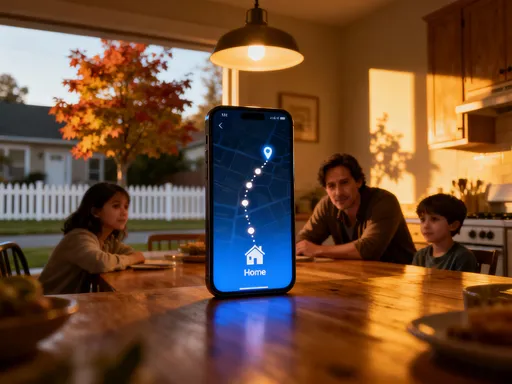
Since we have two units, I made sure they were interconnected. That means if one detects smoke, they all respond—but quietly. No more running from room to room to silence alarms. And if I’m in the basement laundry room and the kitchen alarm goes off, my phone tells me exactly where the issue is. For families with young kids or older relatives, this is huge. My sister, who lives nearby, has her parents on the second floor. She linked their alarms to her phone so she gets notified if there’s an issue while they’re sleeping. It’s not about hovering—it’s about knowing she’ll be alerted if they need help.
We even named the alarms in the app—“Kitchen Watcher” and “Hallway Guardian.” Silly? Maybe. But my kids love it. They feel safer knowing there’s a quiet protector looking out for them. And honestly? So do I.
Living With It: How Nights Changed After the Switch
The difference started the very first night. I went to bed knowing the alarm had already run its self-test. I didn’t check it. I didn’t worry. I just fell asleep. And when I woke up eight hours later, rested and calm, I realized something had shifted. The constant hum of nighttime anxiety was gone. No more midnight thoughts about fire. No more dread of the chirp. Just peace.
Over time, I’ve come to trust the system completely. When the app notified me that the kitchen unit detected a brief spike in smoke from a pot I’d forgotten on low heat, I was grateful—not scared. I went downstairs, turned it off, and cleared the air. No alarms. No chaos. Just a quiet heads-up that prevented a bigger problem. That’s the kind of safety I want: intelligent, reliable, and unobtrusive.
My kids have noticed the change too. One night, my youngest woke up startled by a noise and asked, “Is the alarm okay?” I showed her the app—green light, all systems normal. She smiled and went back to sleep. That moment meant everything. She didn’t feel fear. She felt protected. And that’s what every parent wants—to give their children a home that feels safe, not scary.
Peace of Mind Is a Daily Gift—Start Tonight
This isn’t just about upgrading a device. It’s about upgrading how you feel in your home. Safety shouldn’t be stressful. It shouldn’t keep you up at night or make you dread the sound of your own alarm. True protection isn’t about the loudest siren—it’s about the quiet assurance that you and your family are looked after, even when you’re asleep.
Smart smoke alarms don’t eliminate risk—that’s impossible. But they do eliminate guesswork, fear, and the burden of constant maintenance. They bring clarity, control, and calm. And in a world that often feels overwhelming, that’s a gift worth giving yourself.
You don’t have to do everything at once. Start by researching one model. Watch a setup video. Talk to a neighbor who’s made the switch. Maybe spend a quiet evening installing one unit. Small steps lead to big changes. And the moment you lie down knowing your home is watching over you? That’s when you’ll understand: peace of mind isn’t luxury. It’s essential. And it’s waiting for you—tonight.