Tired of Losing Precious Memories? How Auto-Backup Gave Me Peace of Mind
You know that sinking feeling when your phone crashes and years of photos, messages, and notes vanish? I’ve been there—standing in the rain, trying to recover a video of my daughter’s first steps. That moment changed everything. Since then, I’ve built a simple habit that quietly protects my digital life. It’s not about tech skills; it’s about care. Let me show you how this small shift made my days calmer, my memories safer, and my mind truly free.
The Moment Everything Vanished
It happened on a Tuesday—nothing special about the day, except that it became the day I lost three years of my family’s story. My phone, the one I’d used since my youngest started walking, suddenly froze. The screen went black. No warning. No pop-up. Just silence. I tried restarting it. Nothing. I took it to the repair shop, heart pounding, clinging to hope. The technician looked at me gently and said, “I’m sorry. The storage chip is damaged. We can’t recover the data.”
That’s when it hit me—so many moments, gone. The video of my daughter’s first steps, recorded on a shaky handheld clip while my husband cheered in the background. A voice memo of my mom singing an old lullaby she used to hum when I was little. Texts from my sister during my hardest week of postpartum recovery. Even the silly grocery list I’d saved with doodles from my kids—those little hearts and stars they drew when I wasn’t looking. All of it, erased.
I didn’t cry at the shop. I cried later, alone in the kitchen, scrolling through the blank gallery on my new phone. It wasn’t just about the photos. It was the realization that so much of my life—my love, my history, my identity—lived inside a fragile piece of glass and metal. And I hadn’t done a single thing to protect it. That moment wasn’t just a loss. It was a wake-up call.
Why We Keep Repeating the Same Mistake
We all say it: “I’ll back it up soon.” But soon never comes. Life gets busy. The kids need dinner. The laundry piles up. Work emails pile higher. And so, we push it off—just one more day, one more week. We tell ourselves, “It won’t happen to me.” But the truth is, it can happen to anyone. Phones drop. Batteries swell. Software glitches. Clouds don’t crash—but our devices do.
I used to think I was being careful. I kept my phone in a good case. I didn’t download sketchy apps. I even charged it properly. But none of that protects your data from sudden failure. And I wasn’t alone in this. When I started talking to friends, I was shocked by how many had lost precious files. One woman lost every photo from her son’s first birthday. Another couldn’t find her late father’s final voicemail. These weren’t careless people. They were mothers, sisters, daughters—just like me—trying to hold onto what matters.
There’s a strange guilt that comes with losing digital memories. It feels like a personal failure. Like we should have known better. But the real problem isn’t laziness. It’s design. Technology makes it easy to create and save—but not easy to protect. We’re not taught how to care for our digital lives the way we’re taught to lock our doors or save for retirement. And so, we live with this low-level anxiety, this quiet fear that one day, it could all disappear.
The Tiny Habit That Changed Everything
After my phone died, I made a promise: never again. But I didn’t want to spend hours learning tech or buying complicated gear. I needed something simple—something that worked while I lived my life. That’s when I discovered auto-backup. And honestly? It felt like magic.
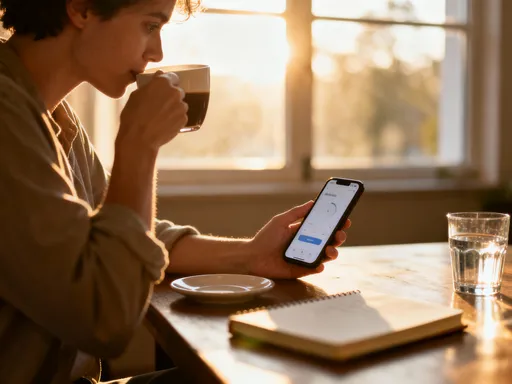
I’ll admit, I was skeptical at first. “Cloud storage” sounded like something for tech people. I imagined passwords, settings, endless menus. But when I finally clicked into my phone’s settings, I found a single toggle: “Back up to iCloud.” That was it. One switch. I turned it on, connected to Wi-Fi, and walked away. Later that night, I saw a tiny icon in the corner—a little cloud with an arrow. My phone was backing up, all on its own.
It wasn’t flashy. There was no fanfare. But for the first time in years, I felt calm. No more panic when my phone battery dipped below 10%. No more stress when my daughter handed me her tablet to show a drawing. I wasn’t just protecting photos—I was protecting peace of mind. That one small action created a quiet guardian for my digital life. And the best part? I didn’t have to remember it. It just happened.
Now, I don’t worry about losing memories. I don’t keep a mental checklist of what I need to save. I live in the moment, knowing that whatever I capture—whether it’s a video of my son blowing out birthday candles or a note I scribbled during a doctor’s appointment—will be safe. That shift? It’s changed everything.
More Than Just Photos—Protecting Your Life Story
When we think of backups, we usually think of photos. But our phones hold so much more. They’re digital diaries. Time capsules. Emotional archives. Think about the last text you received from your mom. The voice note your sister sent after your dad’s surgery. The reminder you set for your child’s dentist appointment with a little heart next to it. These aren’t just data—they’re proof that we’re loved, that we matter, that we’re part of a story bigger than ourselves.
I used to think only photos were worth saving. But now I see how much meaning lives in the small things. There’s a note in my phone titled “Trip Ideas” with scribbles from a family vacation we never took. My husband wrote, “Maybe next year,” and drew a little plane. It’s not a photo, but it’s a memory. There’s a calendar event labeled “First Day of School” with my daughter’s backpack drawing attached. There’s a grocery list with “ice cream for movie night” written in my son’s handwriting. These aren’t just notes. They’re pieces of our life.
When I lost my phone, I didn’t just lose videos—I lost context. I lost the feeling of being there. Auto-backup doesn’t just save files. It saves the emotional weight behind them. It preserves the way my mom’s voice cracks when she says “I love you.” It keeps the way my kids spell “daddy” with a “k.” It holds the quiet moments that make up a life. And now, I know they’re safe—no matter what happens to my device.
Making It Effortless—Building It Into Your Routine
I get it—change is hard. Even small changes can feel overwhelming when you’re already juggling a million things. That’s why I focused on making backup invisible. Not another task. Not another app to learn. Just something that happens, like breathing.
Here’s how I did it: First, I picked a service I already trusted—iCloud for my Apple devices, Google Drive for my husband’s Android. No new accounts. No extra passwords. Then, I turned on auto-sync. I made sure it only backed up over Wi-Fi, so it wouldn’t eat into my data plan. I set it to back up daily—usually at night, when my phone was charging and connected to the router.
The real trick? I tied it to a habit I already had. Every night, I plug in my phone to charge. That’s when I glance at the screen and check for the little cloud icon. If it’s spinning, I know it’s working. If not, I tap into settings and give it a nudge. It takes less than 10 seconds. Over time, it became second nature—like brushing my teeth or locking the front door.
I also set a monthly reminder on my calendar: “Check Backup.” Just a quick look to make sure everything’s up to date. No stress. No pressure. And if I switch phones? I know my data will transfer smoothly. The key isn’t perfection. It’s consistency. You don’t have to be a tech expert. You just have to care enough to press one button.
Sharing the Peace—How It Strengthened My Family’s Digital Life
Once I felt that relief—the lightness of knowing my memories were safe—I wanted my family to feel it too. But I didn’t want to sound preachy. I didn’t say, “You’re doing it wrong.” Instead, I shared my story. Over coffee with my mom, I told her about losing my phone. I showed her the video I couldn’t recover. I saw her face change. She said, “I have all your baby photos on my phone. What if I lose them?”
That’s when we sat down together. I helped her turn on iCloud backup. I showed her how to check the status. I promised to check in once a month. It took 15 minutes. Now, when we FaceTime, she’ll say, “Did you see? My photos backed up last night.” There’s pride in her voice. Safety.
I did the same with my siblings. My brother was hesitant—“I don’t want strangers seeing my photos.” So I explained how encryption works, how only he has access. I showed him how to use a strong password and two-factor authentication. Now, he texts me, “Backup complete. Feeling safer.”
What surprised me most was how this small act became a new kind of connection. We talk about our backups like we talk about health or sleep. “Did you charge your phone?” “Did your photos upload?” It’s not nagging. It’s caring. And now, we all know that no matter what happens, we’ll always have each other’s memories.
A Calmer, Clearer Life—What Changed Inside Me
The biggest change wasn’t in my phone. It was in me. Before, I carried a low hum of anxiety—what if I lose this? What if the battery dies before I save that note? Now, that noise is gone. I feel lighter. More present. I’m not constantly worrying about preserving the past—I’m free to live in the now.
I’ve noticed other shifts too. I take more photos. I record more voice memos. I save silly notes and random ideas. I’m not afraid of clutter because I know it’s protected. And when I look back, I don’t feel panic—I feel gratitude. My digital life isn’t a fragile archive. It’s a living story, growing with me.
There’s a quiet joy in knowing your past is safe. It’s the same feeling you get when you lock the door at night or see your kids asleep in their beds. It’s peace. And that peace lets me focus on what really matters—being with my family, laughing with my husband, watching my kids grow.
This isn’t just about technology. It’s about intention. It’s about saying, “This life I’m living? It matters. These moments? They’re worth protecting.” Auto-backup didn’t just save my data. It gave me back my calm. It reminded me that even small choices—like flipping a switch—can create lasting peace. And now, every time I see that little cloud icon, I smile. Because I know: I’ve got this. My memories are safe. And so am I.