How I Turned My Fashion Obsession Into a Smarter Investment Mindset
What if your love for fashion could do more than just upgrade your wardrobe? I used to splurge on trends without thinking—until I realized my spending habits were shaping something bigger: my financial future. By rethinking how I approach fashion consumption, I discovered ways to balance style and strategy. This isn’t about cheap alternatives or skipping purchases—it’s about smarter choices that align with long-term value. Let me walk you through how I reshaped my investment layout, one stylish decision at a time.
The Hidden Cost of Looking Good
Fashion is often celebrated as self-expression, creativity, and confidence. But behind the glamour lies a financial reality many overlook: every purchase is a decision with lasting consequences. For years, I viewed my wardrobe spending as harmless indulgence—just another part of being a modern woman who values appearance. I looked forward to seasonal sales, followed fashion influencers religiously, and treated limited-edition drops like personal achievements. What I didn’t see was how these habits quietly eroded my savings and distracted me from long-term financial goals.
The truth is, frequent fashion spending isn’t just about clothes—it’s a behavioral pattern that mirrors poor investment habits. When we buy impulsively, chase trends, or pay premium prices for fleeting status, we’re not investing in value. We’re consuming without return. Studies show that the average household spends over $1,800 annually on apparel, with a significant portion going toward items worn fewer than five times. That’s not style—it’s financial leakage. And for women in their 30s to 50s, many of whom manage household budgets or plan for retirement, this kind of spending can delay milestones like home ownership, education funding, or early retirement.
What drives this behavior? Psychology plays a powerful role. The dopamine hit from a new outfit, the social validation from wearing a designer label, or the fear of missing out on a trend—all these factors create emotional urgency that overrides rational thinking. Retailers amplify this with marketing tactics: countdown timers, exclusive access, influencer endorsements. These aren’t just sales strategies—they’re behavioral nudges designed to bypass your financial filters. Recognizing this was my first step toward change. I began asking myself not just do I like this? but what does this cost me in the long run? That shift in mindset opened the door to a more intentional relationship with fashion—and with money.
From Consumption to Value Creation
The turning point came when I stopped seeing fashion as pure expense and started viewing it as potential value. This doesn’t mean every piece must appreciate in price, but rather that each purchase should serve a purpose beyond the moment. The concept of investment-grade fashion became my new framework. These are items that retain or even increase their worth over time—not because they’re trendy, but because they possess timeless design, exceptional craftsmanship, and enduring brand relevance.
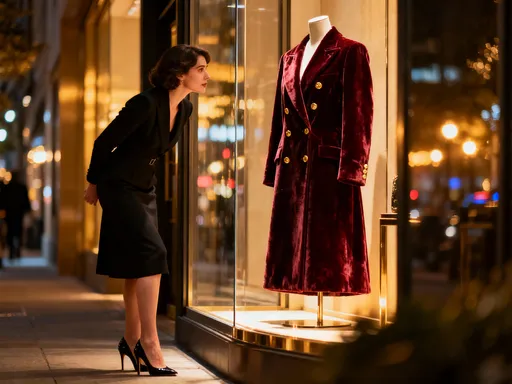
Take a classic wool coat, for example. A well-made version from a reputable brand may cost more upfront than a fast-fashion alternative, but it can last a decade or more with proper care. It remains stylish across seasons, reduces the need for frequent replacements, and can even hold resale value. In contrast, a trendy jacket worn three times and discarded represents pure loss—money spent with zero return. The difference lies in intentionality. Investment-grade pieces are selected not for impulse, but for longevity, versatility, and quality. They become assets in your wardrobe, not liabilities on your balance sheet.
Identifying such pieces doesn’t require expert knowledge. Start by focusing on neutral colors, simple silhouettes, and natural materials like wool, silk, or leather. These elements tend to age gracefully and adapt to changing styles. Brands with strong heritage—those known for consistency rather than constant reinvention—often produce such items. But don’t chase logos. True value comes from construction: stitching, lining, fabric weight, and attention to detail. A $400 jacket with superior craftsmanship may outperform a $800 designer piece with poor durability. The key is learning to evaluate what you’re really paying for. Over time, this mindset shift transforms shopping from consumption into curation—a form of personal asset management.
Building a Style Portfolio (Yes, Really)
Just as a financial portfolio combines stocks, bonds, and real estate for balance, your wardrobe can be structured as a style portfolio—a mix of pieces serving different roles and offering varied returns. This approach moves beyond random shopping and introduces strategic allocation. Think of your closet as a collection of assets, each with its own function, lifespan, and value trajectory.
Begin by categorizing your wardrobe into three tiers. The first is core essentials: high-utility items like tailored blazers, classic jeans, white shirts, and neutral pumps. These are the foundation of your style, worn frequently and designed to last. They should make up the majority of your spending—perhaps 60% of your annual fashion budget. Because they’re worn often, their cost per wear is low, and their longevity enhances their return on investment.
The second tier is statement pieces: bold, expressive items that elevate your look—think a vibrant silk dress, a structured handbag, or a unique coat. These aren’t daily wear, but they add personality and versatility for special occasions. Allocate about 30% of your budget here, and choose carefully. A statement piece should be timeless in its boldness, not trendy in a way that fades quickly. The goal is impact without obsolescence.
The third tier is collectibles or limited editions: rare items with potential resale value, like vintage designer bags or limited-run collaborations. These are speculative holdings—similar to alternative investments in finance. They carry higher risk and should represent no more than 10% of your fashion spending. The key is research: know the market, understand authenticity, and buy only what you genuinely value. Over time, a well-curated style portfolio balances immediate utility with long-term appreciation, turning your wardrobe into a reflection of both taste and financial wisdom.
Timing the Market: When to Buy and When to Wait
One of the most powerful financial skills is timing—and it applies just as much to fashion as it does to stocks. Impulse buying is the enemy of smart spending. The fashion industry thrives on manufactured urgency: “Only 3 left in stock!” “Sale ends tonight!” These tactics exploit emotional triggers, leading to purchases that feel rewarding in the moment but regrettable later. Learning to recognize and resist this pressure is essential for financial control.
True discounts are not the same as sales. A 50% reduction on a poorly made item you don’t need is still a loss. A full-price purchase of a timeless piece you’ll wear for years is an investment. The difference lies in evaluation, not price. Before buying, ask: Is this part of my style portfolio? Will I wear it at least 30 times? Does it fit my current lifestyle? Delaying the decision by even 48 hours can reveal whether it’s desire or necessity.
Another powerful tool is understanding fashion cycles. Like financial markets, fashion trends move in waves. What’s in demand today may be oversaturated tomorrow. Resale platforms like Vestiaire Collective or The RealReal provide real-time data on what’s holding value and what’s depreciating. A handbag that’s spiking in resale price may be worth buying now; one that’s declining might be better to wait for or avoid. Pre-orders can also offer leverage—securing a sought-after item before markup—but only if it meets your criteria for long-term value. By treating purchases as decisions rather than reactions, you gain power over your spending and align your choices with strategy, not emotion.
Resale, Rent, or Reuse? Expanding the Toolkit
Ownership isn’t the only way to enjoy fashion—and increasingly, it’s not the smartest. The rise of alternative models has transformed how we access style, offering financial flexibility and sustainability. Rental services, peer-to-peer resale, and clothing swaps are no longer niche—they’re mainstream tools for savvy consumers. Each offers distinct advantages, and integrating them into your approach can reduce net spending while expanding your wardrobe options.
Rental platforms like Rent the Runway or Nuuly allow you to wear high-end pieces for special occasions without the full cost of ownership. For a fraction of the retail price, you can wear a designer dress to a wedding, return it, and rotate into something new next month. This model excels for low-frequency, high-impact items—exactly the kind that often become closet dead weight. Financially, it turns a sunk cost into a variable expense, improving efficiency.
Resale markets, both online and in-person, create opportunities to buy quality items below retail and sell pieces you no longer wear. This isn’t just decluttering—it’s active portfolio management. A coat you bought five years ago might now fetch 60% of its original price if well-maintained. That’s a significant recovery compared to donating or discarding. At the same time, buying pre-owned allows you to access higher-tier brands within your budget. The key is condition: always inspect for wear, verify authenticity, and understand return policies.
Clothing swaps with friends or community groups add a social dimension while cutting costs to zero. They encourage creativity, reduce waste, and foster connection. While not a direct financial transaction, the value lies in extending the lifecycle of garments and refreshing your look without spending. Together, these models expand your financial toolkit, proving that style and savings aren’t mutually exclusive—they’re complementary when approached with strategy.
Risk Management in Your Wardrobe Choices
Even with the best intentions, fashion investments can go wrong. Not every purchase will appreciate. Some items may fall out of favor, others may disappoint in quality, and emotional attachments can cloud judgment. This is why wardrobe risk management is essential. Just as investors diversify and set stop-losses, fashion-savvy consumers need safeguards to protect their financial health.
One common risk is overconcentration—spending too much on a single brand, trend, or category. If your closet is filled with pieces from one designer, you’re vulnerable to shifts in that brand’s reputation or market demand. Diversification reduces this risk. Balance high-end with timeless mid-range brands, mix classic with versatile modern pieces, and avoid putting all your budget into one seasonal trend. A well-balanced wardrobe, like a balanced portfolio, withstands change.
Another risk is mistaking luxury for quality. Some brands charge premium prices for branding, not durability. A $900 handbag with flimsy hardware or poor stitching will depreciate quickly and require repair. Always assess construction, not just the label. Read reviews, check return policies, and when possible, examine items in person. Treat each purchase as due diligence.
Emotional spending is perhaps the hardest risk to manage. We buy to celebrate, cope, or reinvent ourselves. While fashion can be empowering, using it as emotional currency leads to regret. A practical safeguard is setting a spending cap—a monthly or annual limit on discretionary fashion purchases. Track your spending, review past purchases quarterly, and ask: What did I wear most? What did I regret? This feedback loop sharpens decision-making. Finally, create exit strategies: know when to sell, donate, or repurpose items that no longer serve you. By treating fashion decisions with the discipline of investment choices, you minimize losses and protect your financial well-being.
The Long Game: Style That Pays You Back
True financial wisdom isn’t found in quick wins—it’s built through consistent, intentional choices over time. The journey from impulsive fashion spender to strategic style investor taught me more than how to dress well. It reshaped my relationship with money, patience, and self-awareness. Each thoughtful purchase reinforced discipline. Each avoided impulse strengthened control. Over time, these small decisions compounded into broader financial confidence.
Mastering the micro—like evaluating a coat’s cost per wear or timing a resale—builds skills that apply to the macro: budgeting, saving, investing. The ability to delay gratification, assess value, and manage risk in fashion translates directly to managing retirement accounts, home purchases, or education funds. These are not separate domains; they’re interconnected expressions of the same mindset.
Looking good and growing wealth are not opposites. When approached with awareness, they align beautifully. A wardrobe built on quality, intention, and strategy doesn’t just reflect good taste—it reflects financial maturity. It sends a message to yourself and the world: I value myself enough to invest wisely, to think ahead, to choose meaning over momentary pleasure.
For women in their 30s, 40s, and 50s—many of whom balance careers, families, and personal goals—this mindset is empowering. It’s not about denying enjoyment or living frugally. It’s about making choices that serve multiple purposes: expressing identity, maintaining confidence, and securing financial freedom. Your style can be a mirror of your values, a tool for self-respect, and yes, even a quiet form of wealth-building. The most stylish thing you can wear isn’t a label—it’s the confidence that comes from knowing you’re in control.