How I Navigated Dental Correction Without Breaking the Bank
Thinking about straightening your teeth but worried about the cost and risks? I was too. As a beginner diving into dental correction, I quickly realized it’s not just about appearance—it’s a financial decision. From unexpected costs to choosing the right plan, I learned how to manage risks, avoid common pitfalls, and make smarter choices. Here’s how I did it—and how you can too.
The Hidden Financial Reality of Dental Correction
Dental correction is often marketed as a cosmetic upgrade, a way to achieve a brighter, more confident smile. But beneath the surface, it’s a significant financial undertaking that requires careful planning and long-term thinking. Many people begin the process with a narrow view—focusing only on the upfront cost of braces or aligners—only to be surprised by hidden fees, extended treatment timelines, and out-of-pocket expenses that insurance won’t cover. The truth is, orthodontic treatment can span anywhere from 12 months to over three years, and the total cost can range from $3,000 to $8,000 or more, depending on location, provider, and complexity of the case. Treating it as a one-time purchase is a mistake; it’s better understood as a multi-year financial commitment.
One of the biggest oversights is underestimating the duration of treatment. The longer the process, the more frequent the adjustments, check-ups, and potential complications. Each visit may come with its own fee, especially if additional appliances like expanders, retainers, or elastics are needed. Some patients also face mid-treatment changes in their plan, such as switching from clear aligners to traditional braces due to slower-than-expected progress, which can lead to higher overall costs. Without a clear picture of the full timeline and associated expenses, it’s easy to fall into financial strain. That’s why it’s essential to approach dental correction with the same diligence as any other major expense—like buying a car or renovating a home.
Another overlooked factor is the variability in pricing across providers. Two orthodontists in the same city can quote vastly different prices for the same treatment, influenced by practice overhead, geographic location, and even marketing strategies. Some clinics advertise low introductory rates but add numerous line-item charges later. Others bundle services more transparently. This inconsistency makes it critical to gather multiple estimates and understand exactly what each quote includes. Does it cover initial consultations, X-rays, retainers, and follow-up visits? Or are those billed separately? Asking these questions early helps prevent cost creep and ensures you’re comparing apples to apples when evaluating options.
Why Risk Management Starts Before the First Appointment
Financial risk in dental correction doesn’t begin when the first wire is tightened—it starts the moment you start researching. The decisions made before the first appointment can have lasting consequences on both the quality of care and the final bill. One of the most common mistakes is choosing a provider based solely on convenience or price, without considering experience, reputation, or treatment philosophy. A lower initial quote might seem appealing, but if it leads to prolonged treatment or complications, the long-term cost could be much higher. Just as you wouldn’t hire the cheapest contractor for a home renovation without checking references, the same caution should apply to orthodontic care.
Consultations are not just medical evaluations—they are financial risk assessments. A thorough consultation should include a detailed treatment plan, cost breakdown, and timeline estimate. It’s also an opportunity to ask about potential complications and how they’re handled financially. For example, what happens if you lose an aligner or break a bracket? Are replacement fees included, or are they charged separately? Some clinics offer replacement packages for a flat fee, while others bill per incident, which can add up quickly. Understanding these details upfront helps avoid unpleasant surprises and allows you to budget more accurately.
Seeking a second opinion is another smart risk management strategy. It not only confirms the necessity and scope of treatment but can also reveal alternative approaches that may be more cost-effective. One patient might be told they need full upper and lower braces, while another orthodontist suggests phased treatment, starting with just the upper arch. This kind of variation underscores the importance of not accepting the first recommendation at face value. Additionally, reviewing contract terms carefully is crucial. Some financing agreements include automatic renewal clauses or penalties for early termination. Others may lock you into a specific payment schedule with little flexibility. Reading the fine print—and asking questions—can protect you from financial overreach.
Comparing Options: Aligners, Braces, and Cost Trade-offs
When it comes to correcting misaligned teeth, the market offers several options—traditional metal braces, ceramic braces, lingual braces, and clear aligners like Invisalign. Each comes with its own price tag, treatment duration, and lifestyle implications. While clear aligners are often seen as the premium choice due to their discreet appearance, they are not always the most cost-effective or clinically appropriate option. Understanding the trade-offs between these methods is essential for making a financially sound decision.
Traditional metal braces are typically the most affordable, with average costs ranging from $3,000 to $6,000. They are highly effective for complex cases, including severe crowding or bite issues. However, they require regular adjustments, are more visible, and can be uncomfortable. Ceramic braces offer a more aesthetic alternative, using tooth-colored brackets, but they are more expensive—usually $4,000 to $7,000—and more prone to chipping. Lingual braces, placed behind the teeth, are nearly invisible but come with a steep price—often $8,000 or more—and can affect speech and oral hygiene.
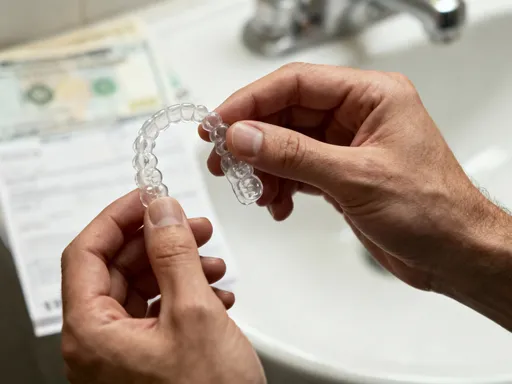
Clear aligners, such as Invisalign, have gained popularity for their convenience and appearance. They typically cost between $4,000 and $8,000, with some providers offering at-home kits at lower prices. While they are effective for mild to moderate cases, they require strict compliance—wearing them 20 to 22 hours a day. Failure to do so can prolong treatment or lead to incomplete correction, potentially requiring a switch to braces. This not only extends the timeline but also increases costs. Additionally, aligners require diligent cleaning and storage; losing or damaging them incurs replacement fees, which can range from $75 to $200 per set.
The key to smart decision-making is aligning the treatment method with both clinical needs and lifestyle. A busy professional might prefer aligners for their discretion, while a teenager with a complex bite issue may benefit more from traditional braces. The most expensive option isn’t always the best, and the cheapest may not deliver the desired results. Evaluating each option based on effectiveness, maintenance requirements, and long-term value—not just initial cost—leads to better financial outcomes and higher satisfaction.
Insurance, Payment Plans, and What They Don’t Tell You
Dental insurance can provide some relief, but it’s rarely a complete solution for orthodontic treatment. Most plans have annual maximums—often around $1,000 to $2,000—and may cover only a portion of orthodontic costs, typically 50% or less. Some policies exclude adult orthodontics altogether, or impose age limits, such as covering treatment only for patients under 19. Even when coverage is available, pre-authorization requirements can delay the start of treatment by weeks or months, and claims may be denied for various reasons, including lack of medical necessity documentation.
Understanding your policy’s limitations is crucial. For example, a plan might cover braces but not include retainers, which are essential for maintaining results. Others may cover one set of X-rays but charge for additional imaging needed during treatment. These gaps mean that even with insurance, patients often pay thousands out of pocket. To make the most of coverage, it’s wise to submit a pre-treatment estimate to your insurer before starting care. This allows you to see exactly what will be covered and what you’ll need to pay, helping you plan accordingly.
When insurance falls short, many clinics offer in-house payment plans. These typically allow you to pay in monthly installments over 12 to 36 months, often with no interest. However, not all plans are created equal. Some require a large down payment—up to 50% of the total cost—before treatment begins. Others may charge fees for late payments or early termination. It’s important to get the payment agreement in writing and review it carefully before signing.
Third-party financing options, such as CareCredit or LendingClub, are also widely used. These work like medical credit cards and often offer deferred interest promotions—meaning no interest if the balance is paid within a set period, usually 12 to 24 months. While this sounds appealing, the risk is high: if the full amount isn’t paid by the end of the promotional period, interest is applied retroactively to the original purchase date, which can significantly increase the total cost. For example, a $5,000 treatment could end up costing $6,500 or more if the balance isn’t cleared on time. Therefore, only use deferred interest plans if you’re certain you can repay the full amount within the window.
The Real Cost of Skipping Emergency Funds
One of the most underestimated aspects of dental correction is the need for an emergency fund. Many people budget for the base treatment cost but fail to account for unexpected expenses that inevitably arise. These can include broken wires, lost aligners, emergency adjustments, or even a need for additional treatment due to slower progress than expected. Without a financial cushion, these incidents can lead to stress, delayed care, or reliance on high-interest credit cards.
Consider this scenario: a patient on a tight budget chooses clear aligners and loses a set during travel. The replacement cost is $150, and without savings, they put it on a credit card with a 24% APR. If it takes six months to pay off, the total cost jumps to nearly $160, not including any late fees. Multiply this by several small incidents over two years, and the added expense becomes substantial. In contrast, someone who sets aside $50 per month into a dedicated dental fund will have $1,200 by the end of two years—enough to cover most unforeseen costs without financial strain.
Emergency funds also provide peace of mind. Knowing you can handle a broken bracket or a needed repair without panic allows you to focus on your treatment and maintain compliance. This, in turn, supports better clinical outcomes and helps avoid costly extensions. The amount to save depends on the treatment type and personal risk tolerance, but a general rule is to set aside 10% to 15% of the total estimated cost. For a $6,000 treatment, that’s $600 to $900. This fund doesn’t need to be large, but it should be accessible and used only for treatment-related emergencies.
Building this fund doesn’t have to be difficult. It can be part of a broader household budget, treated like any other recurring expense. Automating transfers to a separate savings account each payday makes it easier to stay consistent. Some patients even use cash-back rewards from credit cards on everyday purchases to fund their dental reserve. The goal is not perfection but preparedness—having a buffer that protects both your smile and your financial health.
Tracking Progress and Financial Health Together
Successful dental correction isn’t measured solely by the final result—it’s also about how well you manage the journey. Just as you track clinical milestones like alignment progress or retainer fitting, it’s equally important to monitor your financial progress. This dual tracking creates accountability, reduces anxiety, and helps you stay on course without overspending.
A simple way to do this is by creating a treatment and budget calendar. List each appointment, expected cost, and payment due date alongside clinical goals. For example, the third adjustment might coincide with a $200 payment and a goal of closing a specific gap. Checking off both the payment and the milestone reinforces discipline and provides a sense of control. Some patients use spreadsheets or budgeting apps to log expenses and compare them to the original estimate, allowing for real-time adjustments.
Regular financial check-ins—monthly or quarterly—help identify trends. Are you consistently under or over budget? Are there recurring charges you can reduce or eliminate? For instance, if you’re frequently paying for aligner replacements, it may be time to improve storage habits or invest in a protective case. These small behavioral changes can lead to significant savings over time.
Aligning financial and clinical goals also improves motivation. Seeing both your teeth and your bank account move in the right direction creates a powerful sense of accomplishment. It shifts the mindset from “spending money” to “investing in health,” making the process feel more meaningful and sustainable. This holistic approach ensures that when treatment ends, you’re not just smiling—you’re also financially stronger.
Long-Term Gains: Health, Confidence, and Financial Wisdom
When the braces come off or the final aligner is worn, the immediate reward is a straighter, more attractive smile. But the benefits extend far beyond appearance. Properly aligned teeth are easier to clean, reducing the risk of cavities, gum disease, and tooth loss. This can lead to lower dental costs in the future, turning today’s investment into long-term savings. Studies have shown that individuals with corrected bites report better chewing function, reduced jaw pain, and improved speech, all of which contribute to better overall health and quality of life.
Equally important is the boost in confidence. Many adults who undergo orthodontic treatment report feeling more self-assured in social and professional settings. This psychological benefit, while harder to quantify, can influence career opportunities, personal relationships, and daily well-being. For parents, undergoing treatment alongside their children can also model healthy habits and responsible financial behavior, creating a positive ripple effect in the family.
Perhaps the most enduring gain is the financial wisdom developed through the process. Navigating treatment options, managing payments, and planning for emergencies builds skills that apply to other areas of life—homeownership, education funding, retirement planning. You learn to research thoroughly, compare options, read contracts, and build buffers against uncertainty. These are not just money management tools; they are life skills that empower greater independence and security.
In the end, dental correction is more than a cosmetic upgrade. It’s a multifaceted journey that blends health, discipline, and financial strategy. By approaching it with awareness, preparation, and balance, you don’t just achieve a better smile—you build a stronger foundation for a healthier, more confident, and financially resilient future.